

Is embodiment necessary for consciousness?
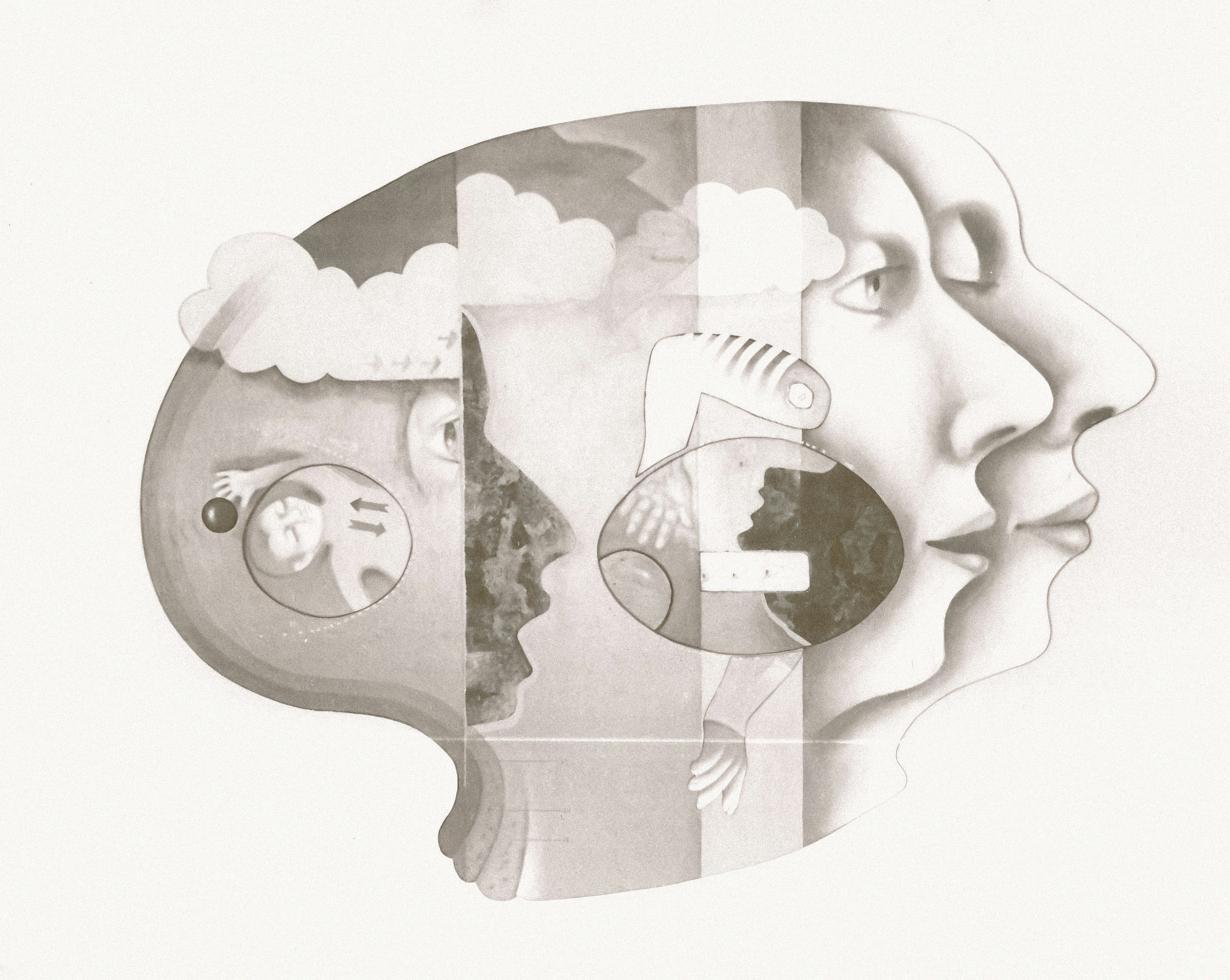
Nate Wright’s chapter, with Neil Lawrence and Nicky Clayton, appears in Perspectives on Machine Consciousness.


The Information Topography programme develops a generative theory of communication structure. Shannon’s information theory characterises what can be transmitted through a channel taken as given. It does not explain where channels come from, why particular participants are linked, or how those links change when information conditions change.
Our premise is that communication structures are governed by constraints on information dynamics. Combining information-conservation constraints with maximum-entropy production yields a state-dependent flow geometry in which the Fisher information metric acts as a conductance tensor — an information topography. Because structure emerges from constrained dynamics, changes to the dynamics predict changes in structure.
The programme builds on The Atomic Human (Lawrence, 2024), which framed human intelligence through the embodiment factor — the extreme imbalance between human computation and communication — and on the inaccessible-game formalism, which derives topographic dynamics from information-theoretic axioms without pre-specified agents or channels. Teaching in L172 Information, Energy and Intelligence develops the same mathematical machinery with students.
Information Topography supplies the mathematical core of the broader InfoTop agenda. Predictions and instruments are tested in engineered multi-agent systems in the Interfaces programme, and in institutions adopting AI in the AI Adoption programme.
23 September 2026
Nate Wright’s chapter, with Neil Lawrence and Nicky Clayton, appears in Perspectives on Machine Consciousness.
1 October 2025
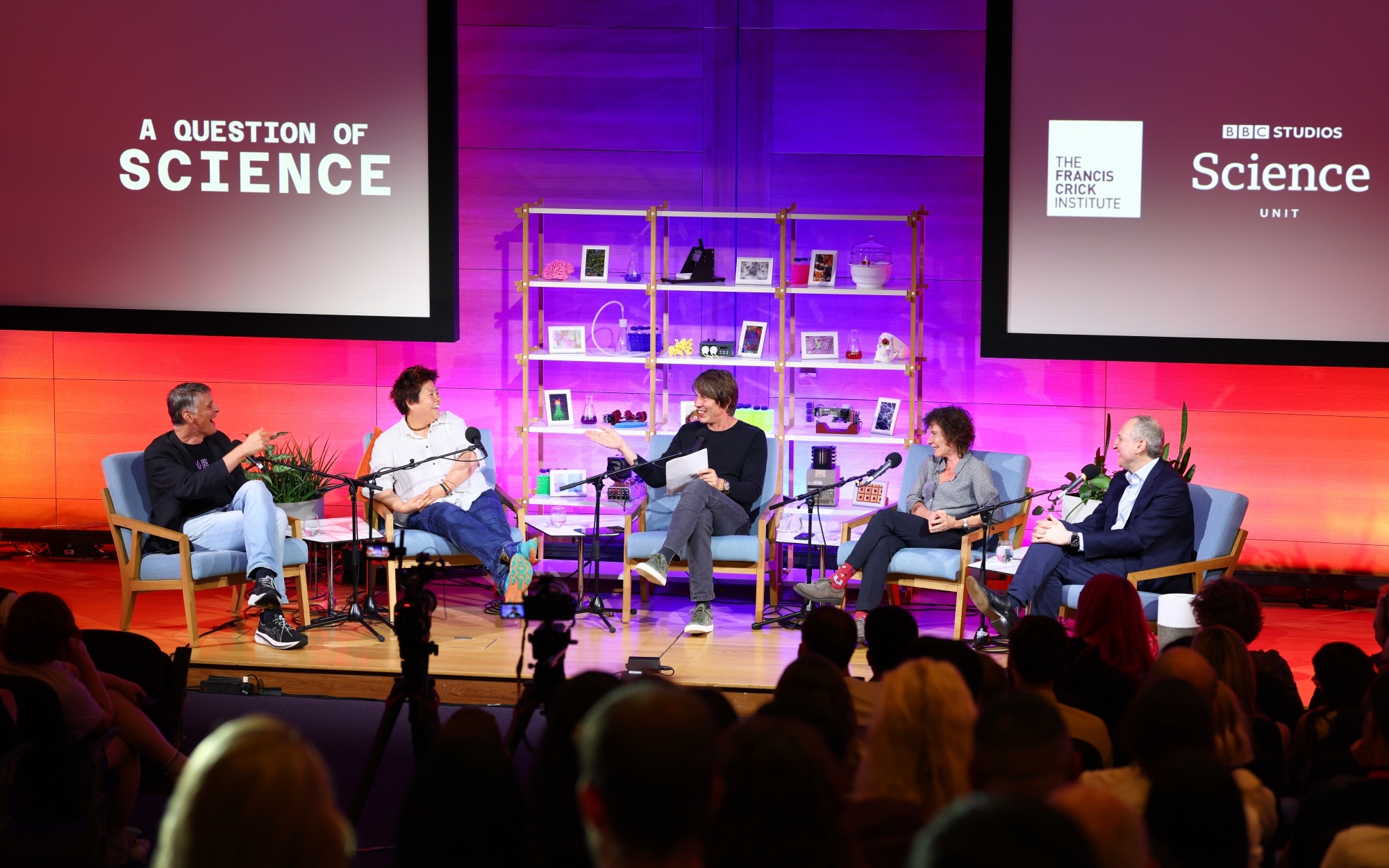
Neil joined Brian Cox’s Crick Institute panel with Adrian Weller, Jeanette Winterson and Steph Wright to discuss whether AI can be a force for good — and what that question leaves out.
13 May 2025
Jim Al-Khalili talks to Neil about machine learning in the wild, digital oligarchy, and why we should embrace AI with scepticism rather than fear.
:
:
:
Allen Lane: