
Neil Lawrence appointed Senior Turing AI Fellow
The Alan Turing Institute names Neil among the first five Turing AI Fellows. His five-year Senior Fellowship funds the AutoAI programme on deploying and monitoring machine learning systems.

24 September 2025
24 September 2025
Christian Cabrera, Andrei Paleyes, Pierre Thodoroff and Neil Lawrence have published Machine Learning Systems: A Survey from a Data-Oriented Perspective in ACM Computing Surveys. The article appeared online on 24 September 2025 and is in the November 2025 issue.
The survey asks why, how, and to what extent deployed machine learning systems follow data-oriented architecture, even when their authors never use that name. Data-oriented architecture treats data as a first-class citizen, and favours decentralised, open components. Most of the systems reviewed adopt it only in part. Where they do, the architecture helps with large-scale data, low-latency processing, resource use, security and privacy. The paper turns those observations into practical advice for deployment.
An earlier informal account set out the principles and two examples from the group. The journal article is the full survey. It is part of the data-oriented architectures project, and of the Interfaces programme that builds on it. The paper is at doi:10.1145/3769292.
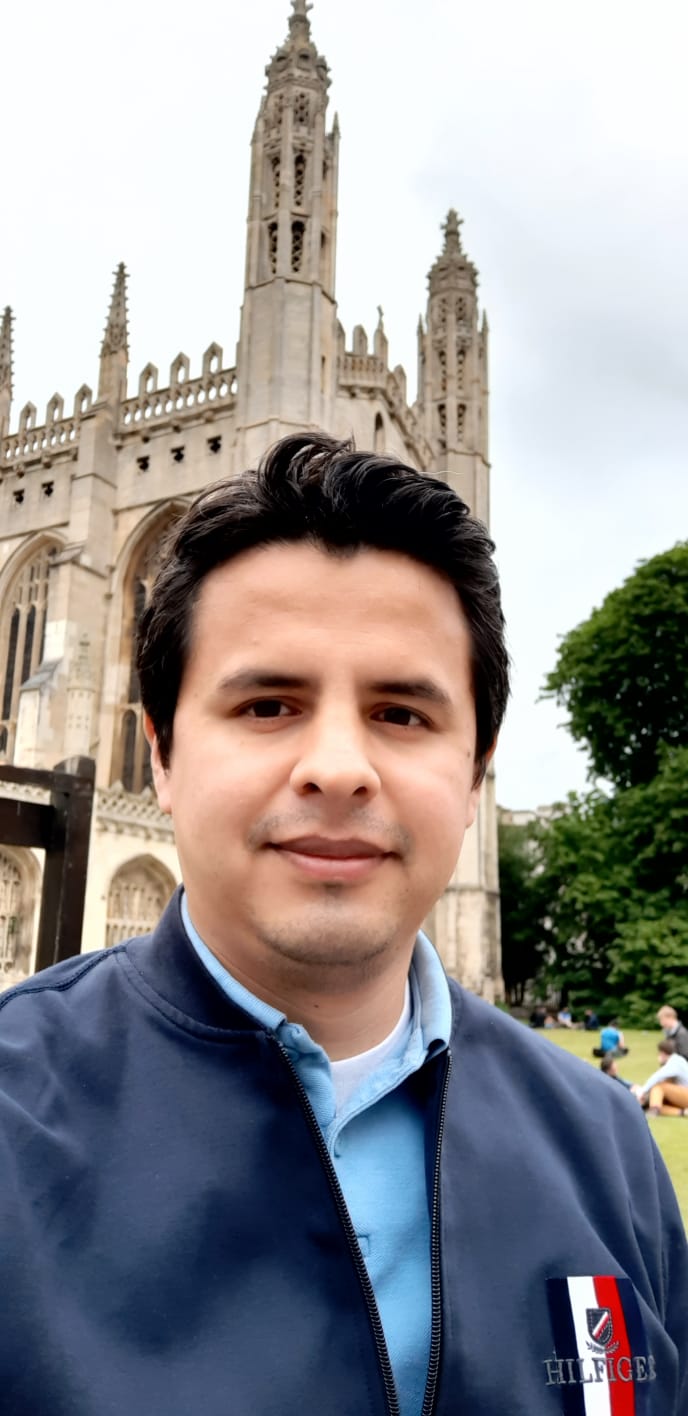
Assistant Research Professor, Cambridge University

Visiting Researcher, Cambridge University
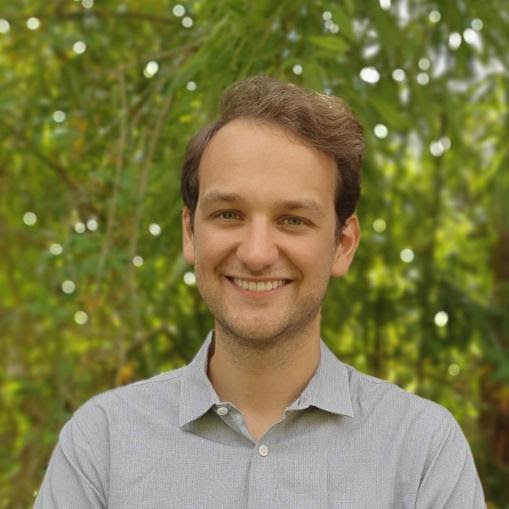
PhD Student, Cambridge University
The DeepMind Professor of Machine Learning, Cambridge University

Data Oriented Architecture (DOA) is a software architecture pattern that creates data-driven, loosely coupled, decentralised, and open systems. DOA achieves these goals by exposing systems' data as first class citizen to distributed, stateless, and asynchronous systems’ components. These design decisions enable DOA-based systems to achieve desirable properties such as data availability, reusability, and monitoring, as well as systems adaptability, scalability, and autonomy.

The Interfaces research programme develops interpretable, self-sustaining multi-agent AI systems, treating software as the interface between socio-technical needs and AI capabilities, with validation in healthcare and other high-stakes settings.

24 October 2019
The Alan Turing Institute names Neil among the first five Turing AI Fellows. His five-year Senior Fellowship funds the AutoAI programme on deploying and monitoring machine learning systems.

15 February 2022
The Data Trusts Initiative is pleased to introduce our first cohort of data trust pioneers who will be leading the creation of real-world data trusts in 2022.

17 May 2022
The AutoAI team will present new research on flow-based programming in the context of machine learning deployment at the first International Conference on AI Engineering.