Trust, Data Rights, and Accountability
Trust infrastructure (executive framing)
The Attention Economy
Herbert Simon on Information
What information consumes is rather obvious: it consumes the attention of its recipients. Hence a wealth of information creates a poverty of attention …
Simon (1971)
Executive framing
- If attention is the bottleneck, then influence is the prize.
- Privacy is not “compliance”: it is control of information flows.
- Ethics is not “values statements”: it is recourse, auditability, and accountable escalation.
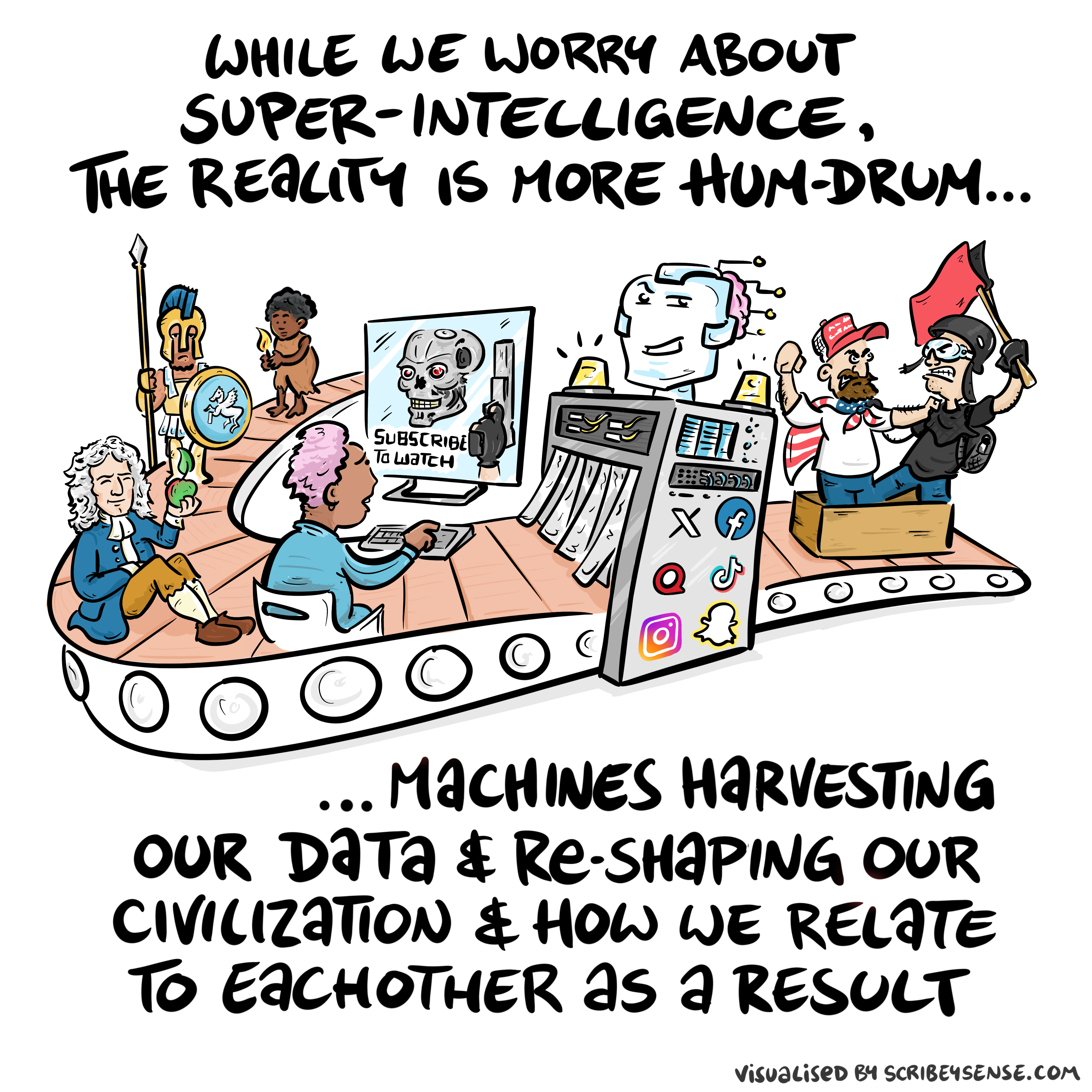
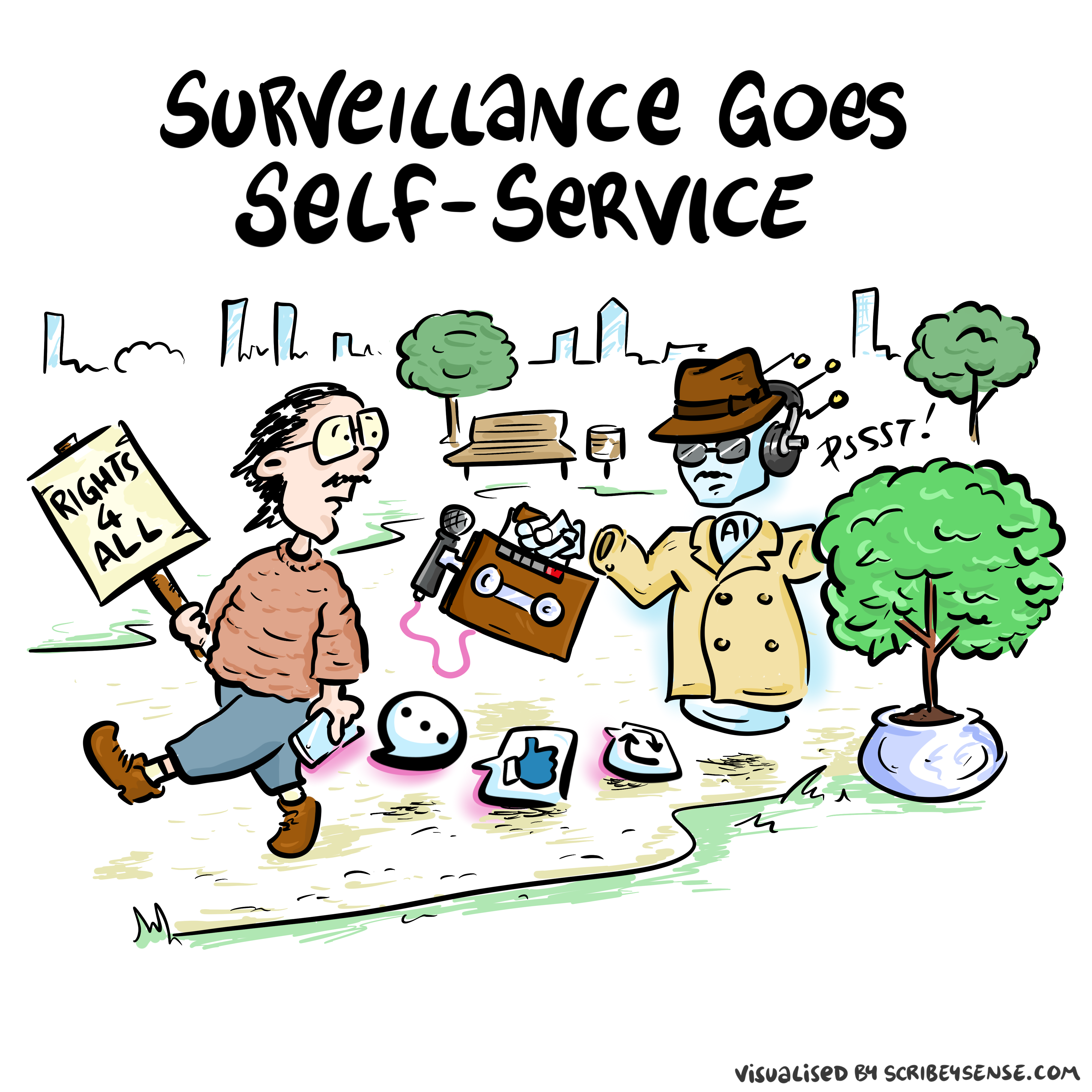
System Zero: influence below awareness
.
.
What makes System Zero risky at scale
- Asymmetry: systems see more about us than we see about them.
- Homogeneity: one ranking model becomes a society-wide control surface.
- Optimisation: incentives push toward engagement/manipulation unless constrained.
Data rights, governance, and recourse
Embodiment Factors
| bits/min | billions | 2,000 |
|
billion calculations/s |
~100 | a billion |
| embodiment | 20 minutes | 5 billion years |
Data Rights



GDPR Origins
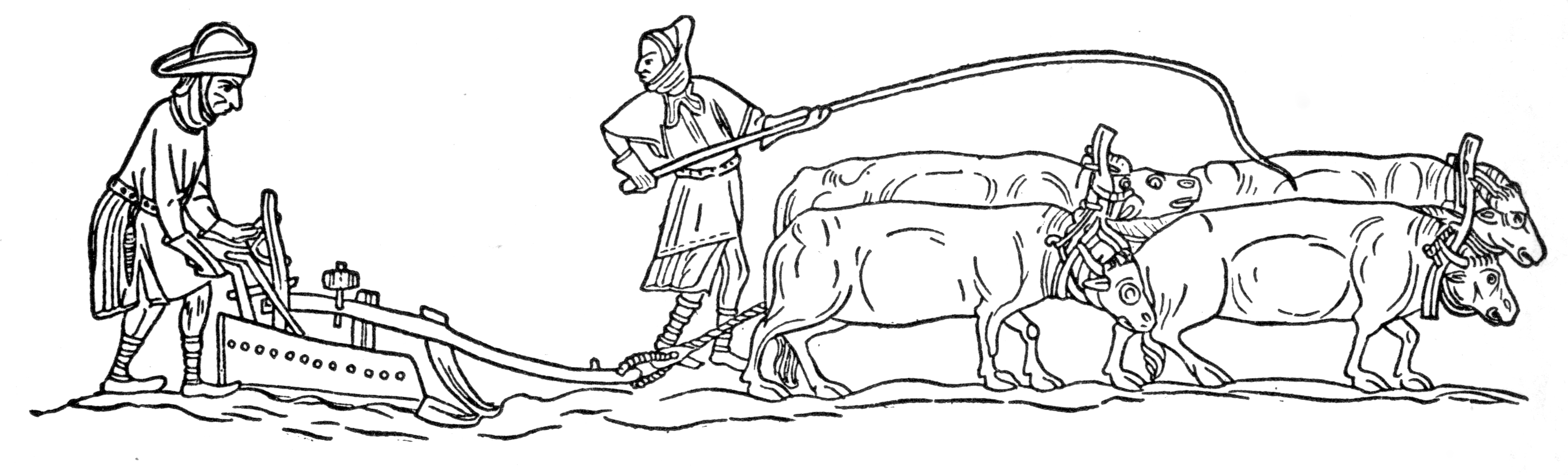
Feudal Era Data Ecosystem

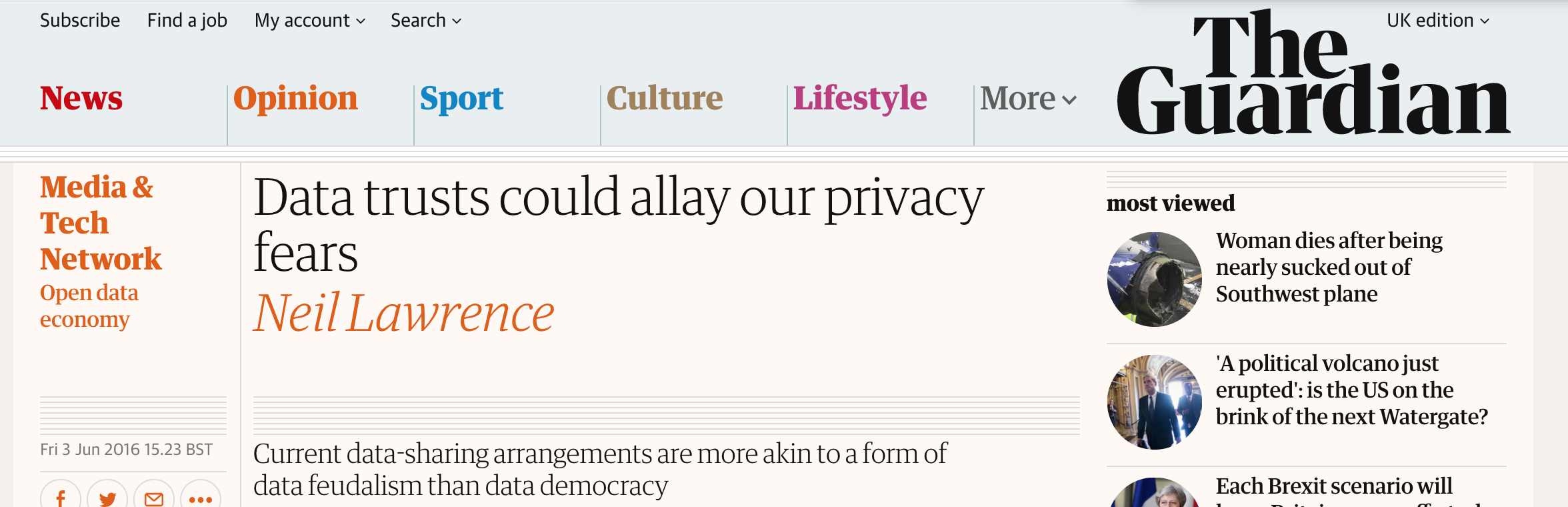
Personal Data Trusts
Recourse and accountability (minimum viable)
- Right to challenge: how can someone appeal a decision?
- Right to explanation: what evidence is recorded and reviewable?
- Named owner: who is accountable for outcomes (not just the tooling)?
- Escalation path: when do we pause automation and revert to humans?
Agent-era governance checklist
- Log what the agent saw, what tools it used, and what it changed.
- Limit blast radius: scopes, rate limits, sandboxes, and kill switches.
- Monitor drift/novelty and route to human escalation.
- Treat failures as incidents: postmortems and control upgrades.
Thanks!
company: Trent AI
book: The Atomic Human
twitter: @lawrennd
The Atomic Human pages trust 43, 79, 100 , privacy 27, 82, 84, 365, personal data/personal data rights 82-4, 216, 221, 222, 242-4, 246, 257, 309, 363-5, System Zero 242-7, 306, 309, 329, 350, 355, 359, 361, 363, 364, knowledge asymmetry 367, power asymmetries 363, 364, 366, 369, social media 15, 80, 81, 86, 108, 226, 243, 244, 245, 247, 359, 360, 362, 364, surveillance capitalism 222, 244, 257, digital surveillance 303-4, 309-10, state surveillance 303-6, 308-11, 352, Gas Light (play)/gaslighting 302-3, embodiment factor 13, 29, 35, 79, 87, 105, 197, 216-217, 249, 269, 353, 369.
Guardian article on Let’s learn the rules of the digital road before talking about a web Magna Carta
Guardian article on Data Trusts
blog posts: